Congratulations on your new arrival! While bringing a baby into the world is a momentous occasion, the period following childbirth—known as the postpartum phase—can be filled with physical, emotional, and mental challenges. Understanding what to expect during this time can help new mothers navigate their recovery and adjust to life with a newborn. In this blog, we’ll discuss the essential aspects of postpartum care, including physical recovery, emotional well-being, and practical tips for managing this transitional period.
Physical Recovery: What to Expect
- Healing After Delivery Whether you’ve had a vaginal birth or a cesarean section (C-section), your body has undergone a significant physical change. It’s important to prioritize healing during the postpartum period. Expect some soreness and discomfort in the days following delivery, particularly if you had an episiotomy or tearing during a vaginal birth. Here are some things to keep in mind:
- Perineal Care: If you delivered vaginally, you may experience swelling or tenderness in the perineum. Use ice packs, sit on a soft cushion, and practice good hygiene to aid healing.
- C-Section Care: For those who had a C-section, be mindful of your incision. Keep the area clean and dry, avoid heavy lifting, and consult your doctor if you notice any signs of infection.
- Lochia: After giving birth, you will experience lochia, or postpartum bleeding. This discharge can last for several weeks and may change in color and amount. Use pads and monitor for any concerning changes, such as a foul odor or heavy bleeding.
- Uterine Contractions In the days and weeks following childbirth, your uterus will contract as it returns to its pre-pregnancy size. These contractions, known as afterpains, may feel like menstrual cramps, especially during breastfeeding, as the release of oxytocin can stimulate uterine contractions. Staying hydrated, using heat pads, or taking over-the-counter pain relief (as advised by your doctor) can help manage discomfort.
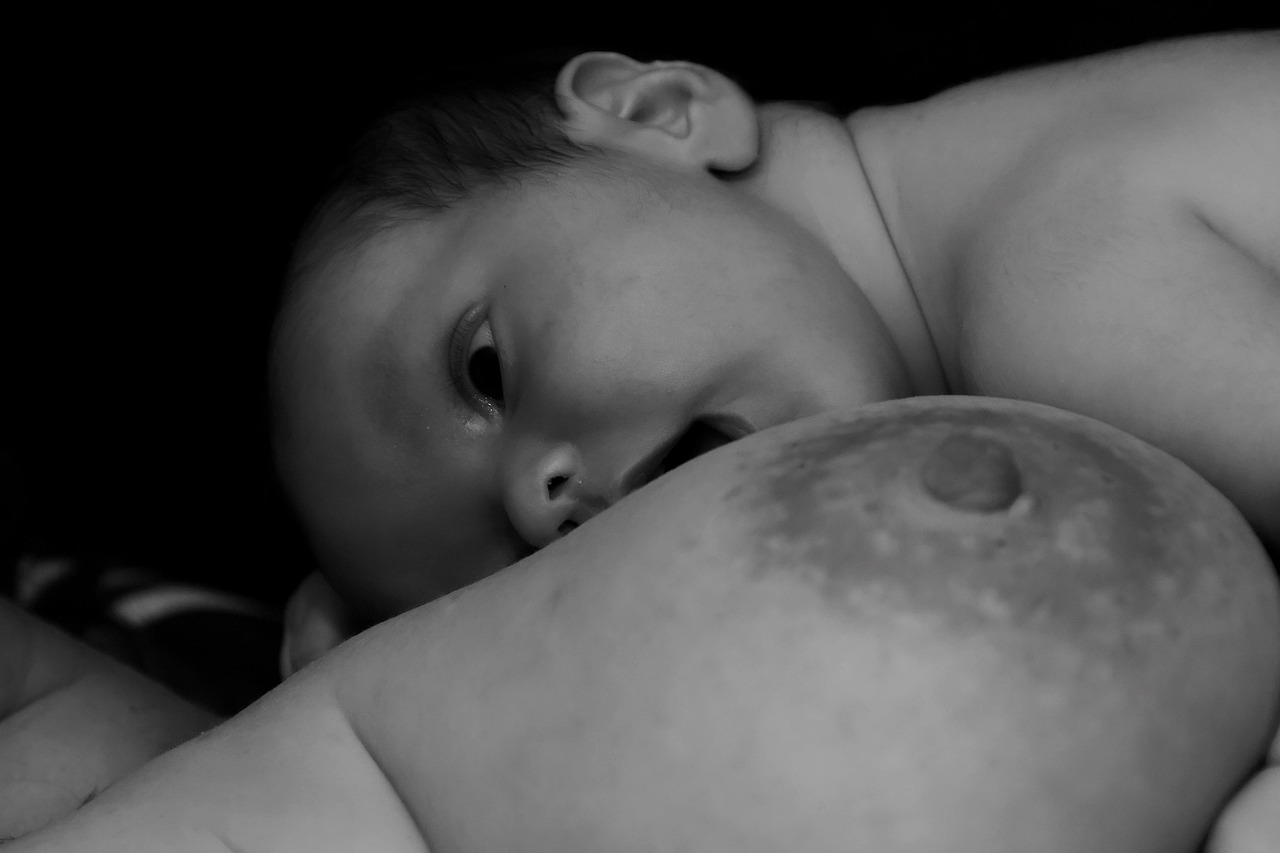
- Breast Changes and Breastfeeding If you choose to breastfeed, your breasts will undergo several changes, including engorgement as your milk comes in. This typically happens 2-4 days after delivery and may cause discomfort.
- Breastfeeding Tips: Ensure a proper latch to prevent soreness and consider using nipple creams or cold compresses to soothe irritation. If you encounter difficulties with breastfeeding, don’t hesitate to seek support from lactation consultants or your healthcare provider.
- Physical Activity and Rest Rest is essential for recovery, but it’s also important to gradually resume physical activity. Start with light activities, like short walks, as you feel able. Always listen to your body and avoid high-impact exercises until you receive clearance from your healthcare provider, usually around 6 weeks postpartum.
Emotional Well-Being: Navigating the Emotional Rollercoaster
- Baby Blues vs. Postpartum Depression Many new mothers experience mood swings, irritability, and emotional ups and downs in the weeks following childbirth—commonly referred to as the baby blues. This is often attributed to hormonal changes and the stress of adjusting to motherhood. However, if feelings of sadness, anxiety, or overwhelm persist beyond two weeks or interfere with daily life, it could be a sign of postpartum depression (PPD).
- Recognizing Symptoms: Symptoms of PPD can include:
- Persistent sadness or hopelessness
- Anxiety or panic attacks
- Difficulty bonding with your baby
- Changes in appetite or sleep patterns
- Thoughts of self-harm or harming the baby
If you’re experiencing any of these symptoms, it’s crucial to reach out for support. Speak with your healthcare provider, who can guide you to appropriate resources and treatment options.
- Recognizing Symptoms: Symptoms of PPD can include:
- Support Systems Building a support system is vital during the postpartum phase. Don’t hesitate to lean on family, friends, or support groups for help with baby care or simply to talk about your feelings. Consider:
- Postpartum Support Groups: Many hospitals or community organizations offer support groups for new mothers. These can be a great way to connect with others going through similar experiences.
- Counseling: If you’re struggling emotionally, professional counseling can provide valuable support and coping strategies.
Practical Tips for Managing the Postpartum Period
- Establish a Routine While life with a newborn can feel chaotic, establishing a flexible routine can provide some structure to your day. Try to create a schedule around feeding, sleeping, and diaper changes, and remember that it’s okay to adapt as needed.
- Ask for Help Accept help from family and friends, whether it’s preparing meals, running errands, or caring for the baby. Don’t hesitate to communicate your needs, as this can ease the pressure and allow you to focus on recovery.
- Prioritize Self-Care Taking care of yourself is essential for your physical and emotional health. Here are some self-care practices to consider:
- Nutrition: Focus on a balanced diet rich in nutrients to support healing and breastfeeding. Hydration is also key, so drink plenty of water.
- Rest: Sleep when the baby sleeps, even if it means letting some household tasks slide. Your body needs time to recover, and adequate rest will help you feel better.
- Gentle Exercise: Once cleared by your healthcare provider, gentle exercises like walking, stretching, or postpartum yoga can promote physical recovery and mental well-being.
- Stay Connected Stay in touch with your partner, family, and friends. Share your experiences, feelings, and challenges to help foster connections and reduce feelings of isolation.
- Communicate with Your Partner The postpartum period can also affect relationships. Maintain open communication with your partner about your needs, expectations, and feelings. This is a time of adjustment for both of you, and working together can strengthen your bond.
When to Seek Medical Attention
While many postpartum symptoms are normal, certain signs warrant immediate medical attention, including:
- Heavy bleeding (soaking through a pad in an hour or less)
- Severe abdominal pain or persistent pain that doesn’t improve
- Signs of infection (fever, chills, or foul-smelling discharge)
- Symptoms of severe depression or anxiety
Always trust your instincts—if something feels off, don’t hesitate to reach out to your healthcare provider.
Conclusion: Embracing the Postpartum Journey
The postpartum phase is a time of adjustment, healing, and growth. By understanding what to expect and prioritizing your health and well-being, you can navigate this period with confidence. Remember that it’s okay to seek help, communicate your needs, and give yourself grace as you embrace the journey of motherhood.